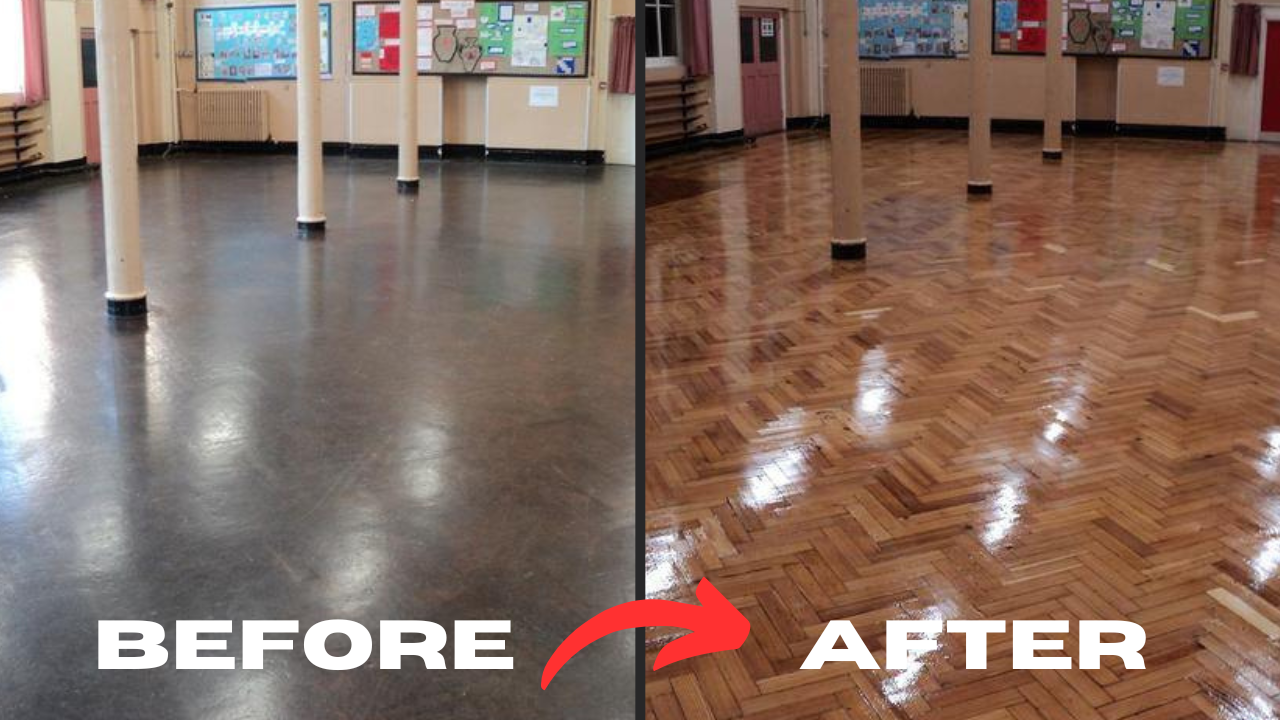
From Scuffs to Sparkle: A Hallway Transformation
Walk into a lively school corridor on a Monday morning and you’ll notice something beyond the new displays and the scent of crayons. There’s a subtle brightness beneath your feet—a quiet gleam that lifts the mood, steadies the stride and somehow makes the whole place feel more ready to learn. That is the unsung power of School Floor Buffing: not a mere cosmetic touch, but a strategic, student-centred uplift that changes how pupils, teachers and visitors experience the building every single day.
In education, we talk endlessly about learning climates—how tone, culture, and environment contribute to outcomes. The surface that supports every timetable, assembly and after-school club is quite literally the stage on which the day plays out. Keep it flat, safe, bright and acoustically considerate, and you gently remove friction from hundreds of small moments: the transition between lessons, the confidence of a shy child carrying their lunch tray, the authority of a headteacher leading a hall full of children. This article explores the joyful ripple effects of a well-maintained floor, why routine machine polishing is such a high-leverage habit, and how to embed it without disrupting teaching and learning.
Why the Floor Sets the Tone for the Whole School
A school’s floor is the largest single visual and tactile surface on site. It frames first impressions; it guides movement; it anchors behaviour. Tiny imperfections—dull patches, micro-scratches, ingrained dust—accumulate into a visible sense of fatigue. Conversely, a clean, gently reflective surface signals order, pride and care. Pupils respond to that signal.
Psychologists have long observed that environmental cues nudge behaviour: calm spaces encourage calm actions; cared-for spaces inspire caretaking. When the floor looks cared for, it whispers: “We look after things here.” Pupils pick up that cue. They straighten a display edge, walk rather than run, wipe their shoes more diligently on the mats. The environment changes them, and they reciprocate.
There’s also a strong operational rationale. A smoother, brighter floor reduces the make-work of repeated spot cleaning and frees premises teams for higher-value tasks. Better still, the marginal gains are cumulative: a modest investment in periodic polishing keeps protective coatings working longer, which extends the interval between heavy restoration cycles.
The Mood-Boosting Science of Shine (Without the Slippery Bit)
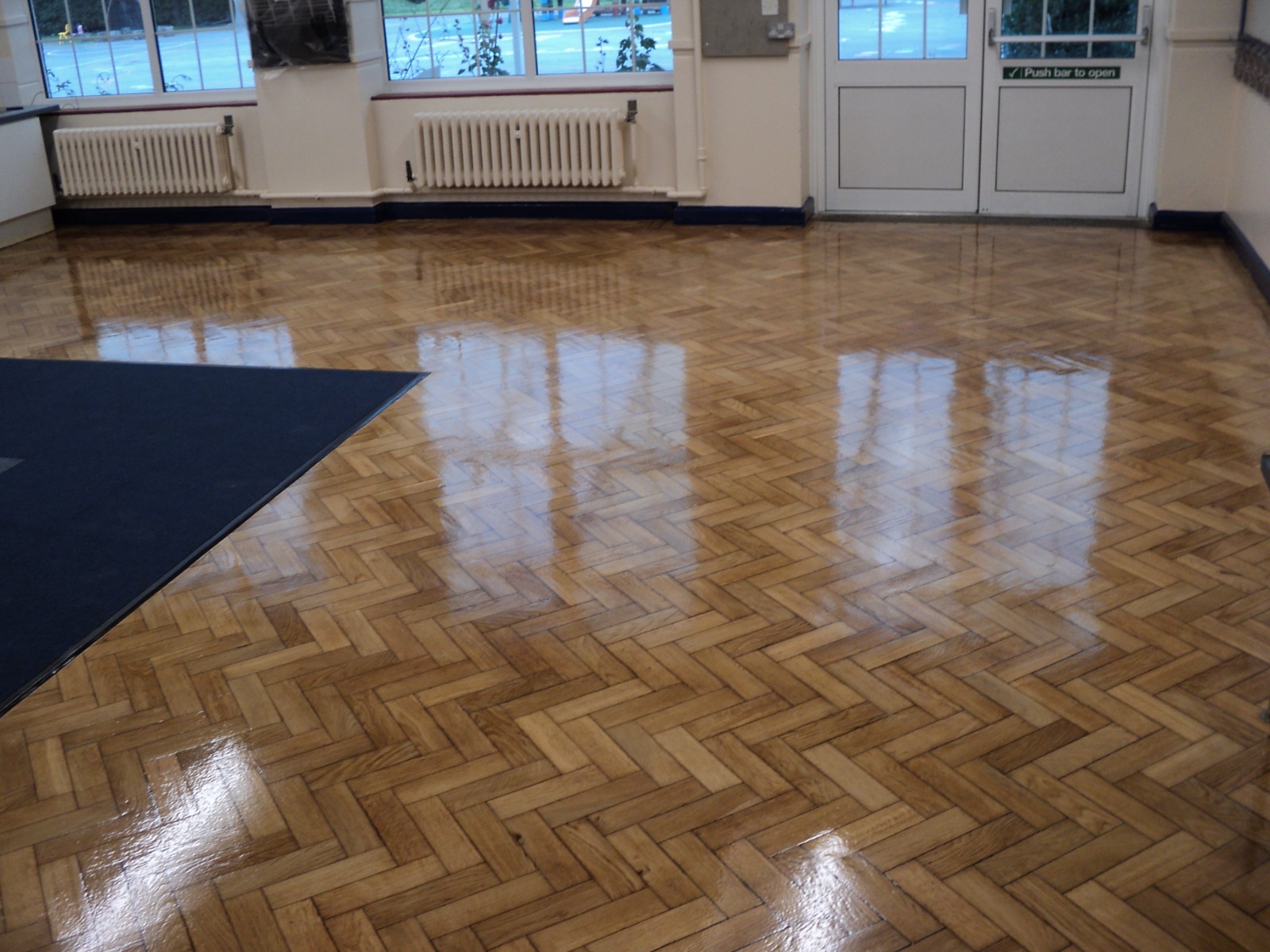
“Shiny” is often wrongly conflated with “slippery.” In reality, a correctly maintained finish can be both bright and grippy. Modern polishes and pads are engineered to enhance lustre while preserving (or improving) the coefficient of friction. Done properly, routine machine work raises the gloss just enough to bounce light around corridors and halls, making them feel cheerful and open, without creating a rink.
Why does brightness matter? Daylight (and daylight-like conditions) support alertness, concentration and wellbeing. Even with LED panels, the floor plays a role in distributing light evenly through a space. A micro-polished surface scatters illumination more pleasantly, reducing gloomy patches near skirting and giving a room that “ready” feeling before the first bell.
Acoustics: The Unexpected Win for Assemblies and Corridors
We often think of sound as a ceiling or wall problem, but floors carry their share of acoustic blame—especially in high-traffic zones where chair-legs scrape and footfall echoes. A controlled, well-maintained surface minimises the micro-roughness that amplifies noise. Over time, minor scuffs and dust act like sandpaper, catching rubber soles and chair feet and raising the din. Routine attention smooths those micro-edges and limits the rasp.
This is one of the quiet, overlooked benefits of School Floor Buffing: by keeping surfaces smooth and even, you reduce incidental noise. Corridors become less jangly; the main hall carries a more pleasant hush between assemblies; even the library feels calmer because footsteps don’t “scratch” the silence.
Safety First: Grip, Guidance and the Confidence to Move
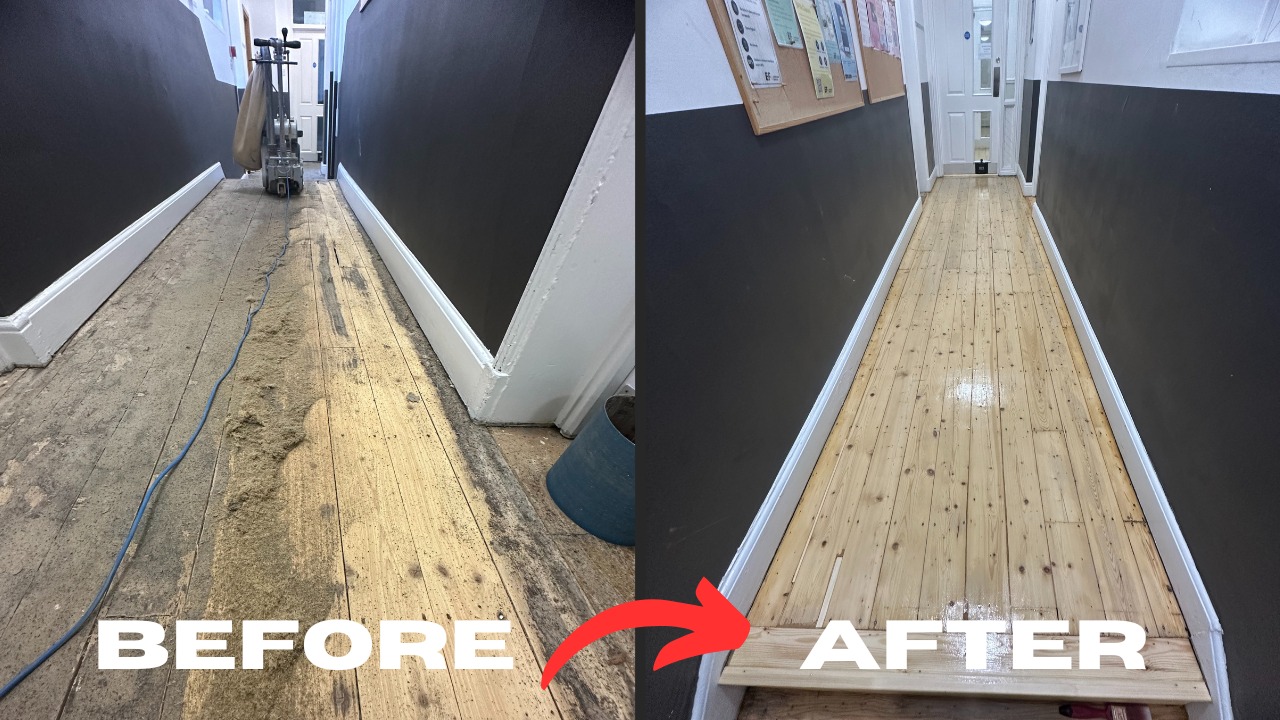
In primary settings, many slips happen not because the floor is wet, but because the surface is uneven or dusty. In secondary settings, it’s often a mixture of worn finishes, sudden transitions between floor types, and heavy traffic near canteens. The right programme of routine machine polishing addresses all three.
- Consistent Micro-Texture
A good maintenance pass aligns the surface, removing the fine dust that behaves like ball bearings underfoot and mitigating the micro-grooves that catch the heel. - Clear Visual Cues
A cleaner, brighter surface makes painted lines—wayfinding arrows, sports court markings, hazard strips—stand out. Pupils navigate with more certainty, which lowers congestion and the shoulder-bumping that leads to stumbles. - Faster Spill Management
When the floor is smooth and well-sealed, caretakers can spot and mop spills quickly. Fluids sit on the surface instead of seeping into wear lines.
Crucially, polishing as part of a complementary plan (better entrance matting, scheduled dry mopping, and clear traffic routes) builds confidence across the school day. Pupils feel safe to move; staff feel safe to supervise.
Hygiene: Where Clean Meets Caring
Hygiene protocols are now embedded in school life. Floors are the ultimate high-contact “low-touch” surface—every shoe, chair foot and trolley passes over them. A smoother, well-maintained finish resists the grit and micro-soil that harbour allergens and bacteria. It also tolerates cleaning agents more predictably, which means the site team can use their standard disinfectants without fear of patchiness or streaks.
Another hygiene benefit is workflow efficiency. With a periodic programme of School Floor Buffing, routine daily cleaning takes less time because tools glide rather than drag. That means less fatigue, fewer passes, and better coverage—especially at the edges where dust likes to settle. Multiply those minutes saved over a term, and you’ve recovered whole days of labour without adding a penny to the budget.
Value for Money: Stretching the Life of a Precious Asset
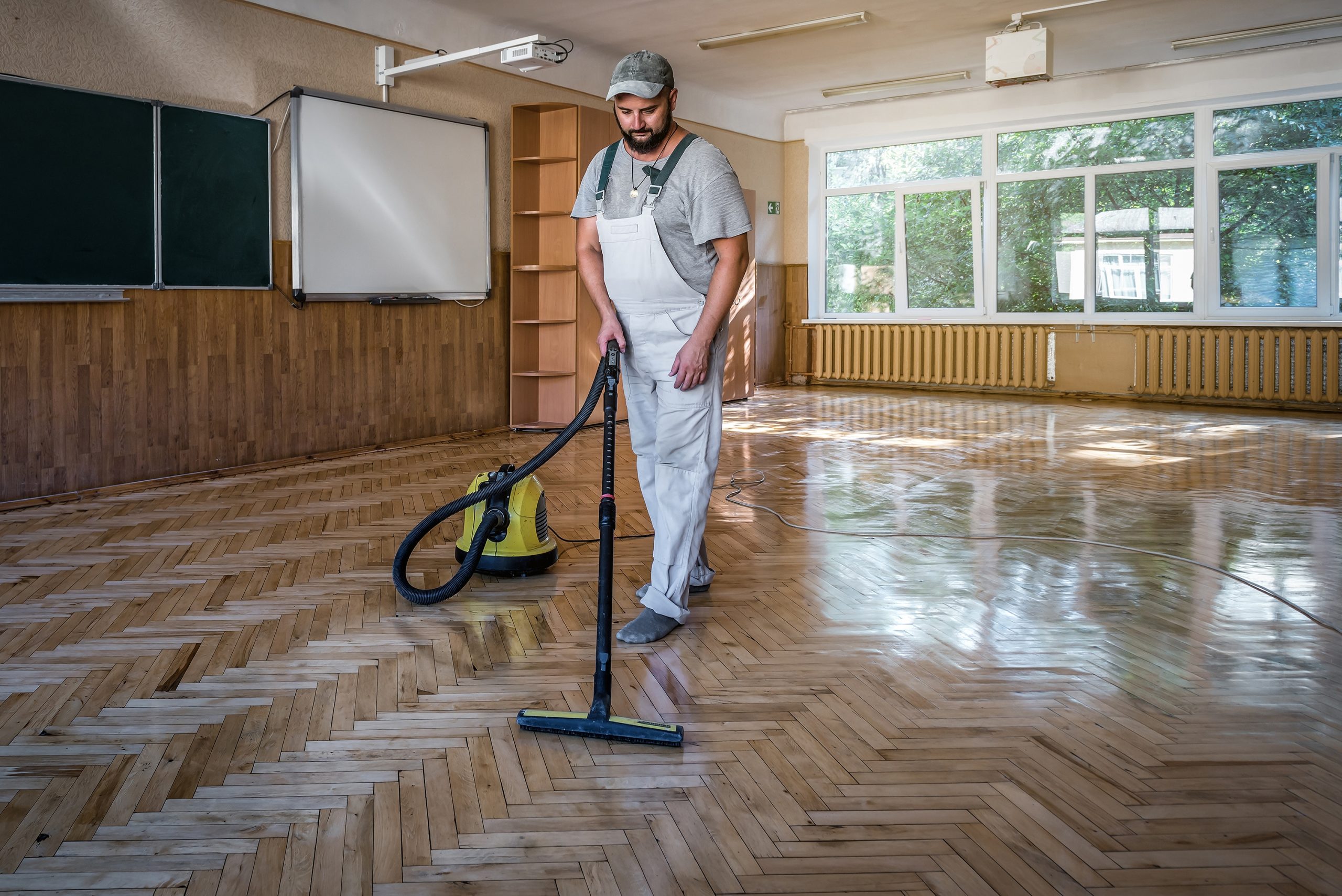
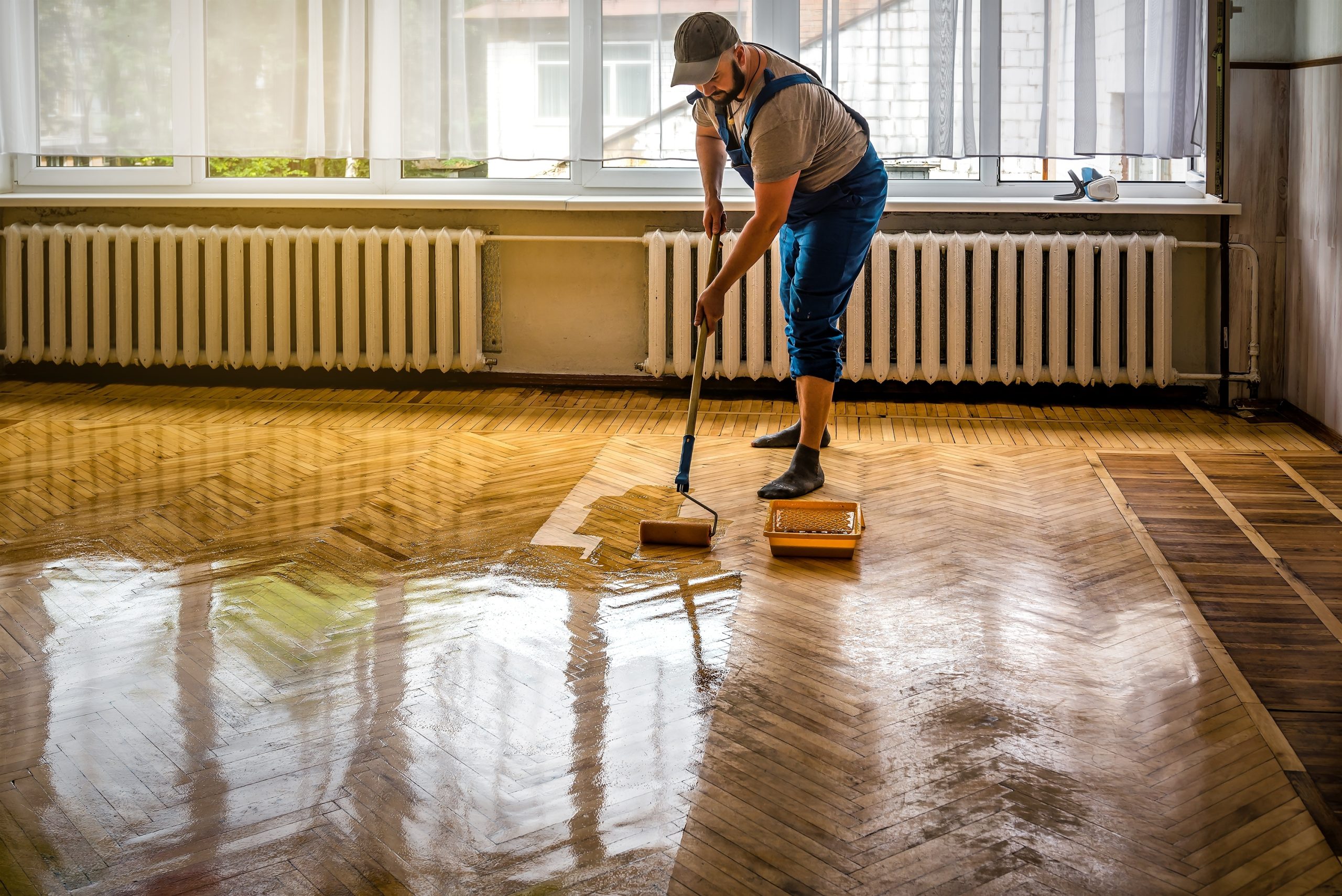
Replacing a school floor is expensive and disruptive. Extending the life of the existing surface is the definition of smart stewardship. Routine machine polishing sits in the “ounce of prevention” category: it protects the protective finish. Where daily footfall would otherwise abrade sealants and oils, scheduled maintenance re-levels the micro-surface and renews the appearance without a full re-coat.
This has three direct financial benefits:
- Fewer Deep Restorations:
Heavy sanding and re-finishing can be pushed further into the future, and when it’s finally needed, less material must be removed. - Lower Chemical Consumption:
Because soil release improves on a smoother surface, you often need milder dilutions and fewer specialist products. - Reduced Equipment Wear:
Pads and mop heads last longer on a well-maintained surface. That keeps consumable costs in check and reduces ordering complexity.
A Practical Programme That Works Around School Life
The best maintenance plan respects two immovable realities: the timetable and the budget. Here’s a simple rhythm that fits most settings without touching teaching time.
- Daily:
- Dry Mop (Microfibre): Pick up grit before it scours the finish.
- Spot Clean: Remove sticky residues immediately to prevent embedded dirt.
- Weekly:
- Auto-Scrub Where Applicable: In larger corridors and halls, a quiet, well-maintained auto-scrubber can be run before school or after clubs finish.
- Edge Attention: Dust skirtings and junctions where debris accumulates.
- Monthly (or Half-Termly in High-Traffic Areas):
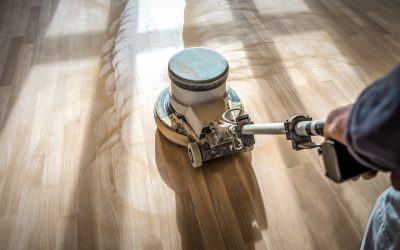
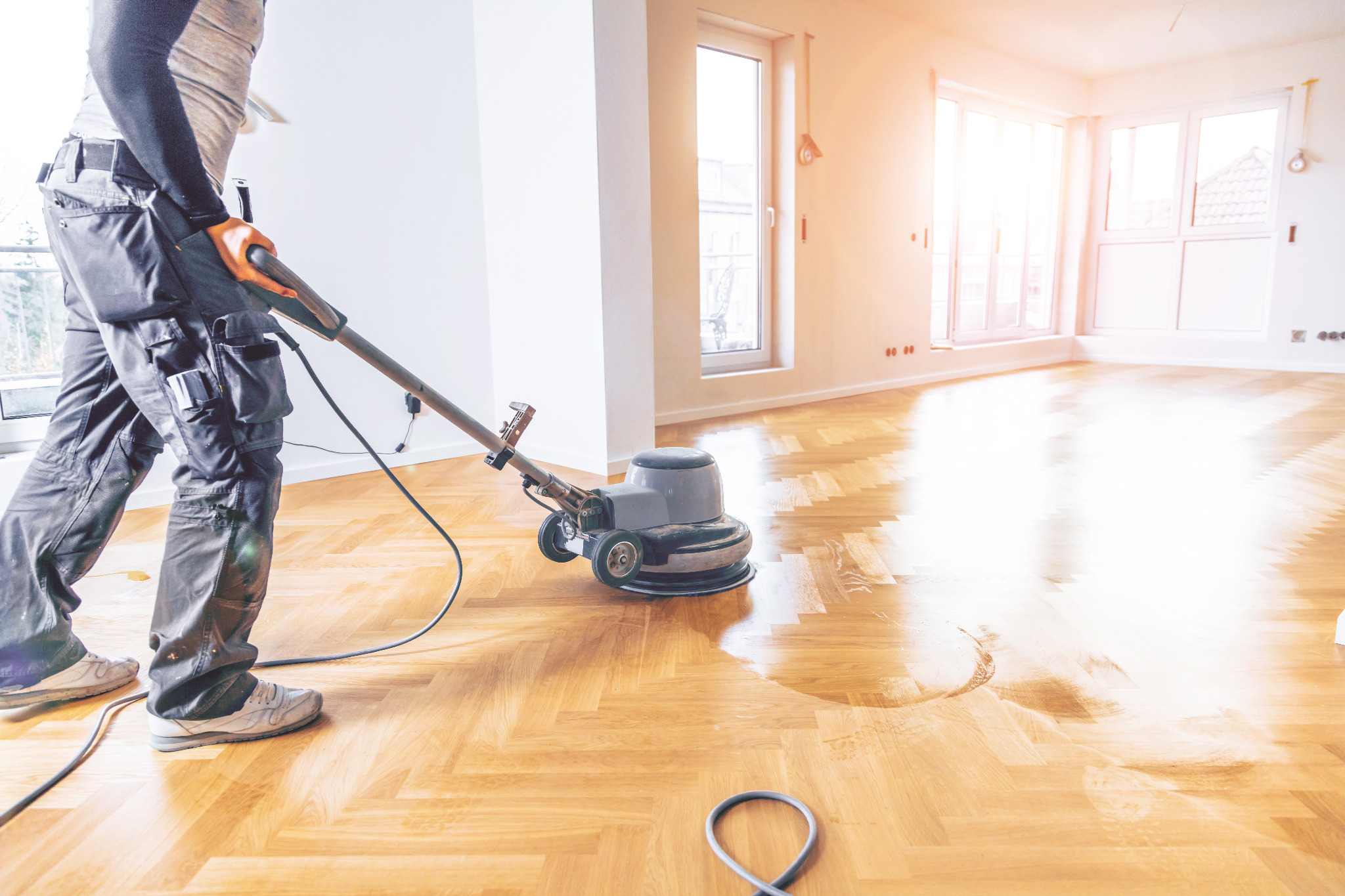
- Machine Polishing Pass: A methodical, low-noise buffing session, scheduled after dismissal or on a Friday evening, gives Monday that gleam.
- Seasonal (End of Term):
- Inspection & Light Restorative Work: Tackle stubborn scuffs, evaluate slip resistance, refresh sacrificial coats where needed.
Because the process is modular, you can prioritise zones: start with entrances and main corridors, then assemblies and dining, then classrooms. Over a half-term, the whole site benefits, and you never disrupt lessons.
Choosing the Right Pads, Products and Equipment
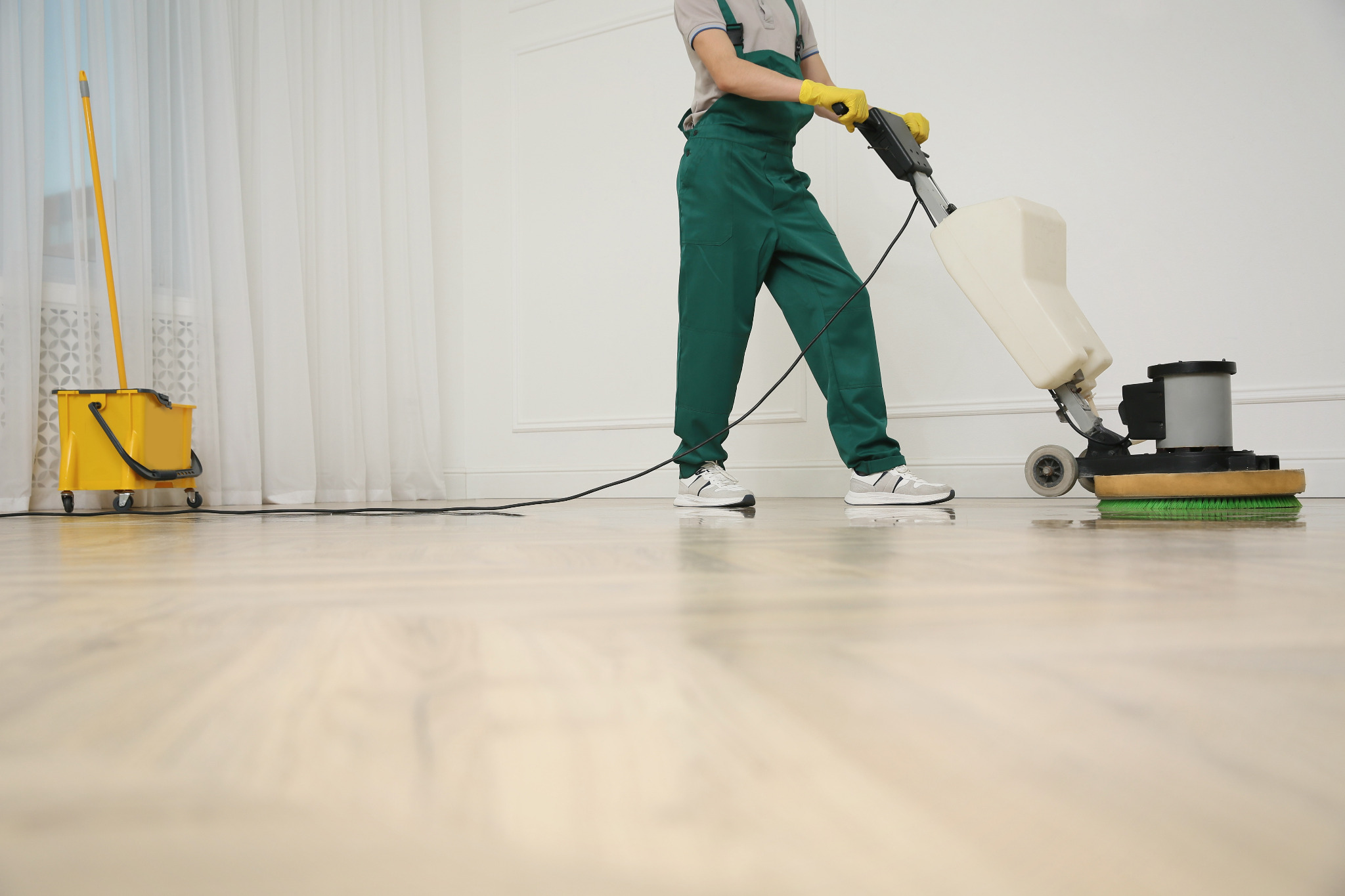
The equipment list is surprisingly compact: a reliable machine, a sensible pad set, and finishes compatible with your floor type. The guiding principle is to match abrasion and speed to the task.
- Pads:
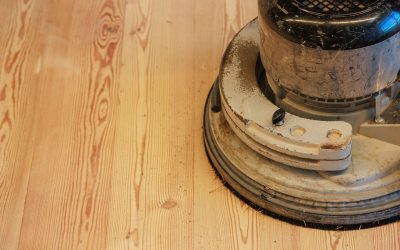
Use manufacturer-recommended pads appropriate to your finish—softer for frequent gloss enhancement, slightly more aggressive options for periodic levelling of micro-scratches (within the tolerance of the coating). - Speed & Pressure:
Too fast or too heavy and you generate heat or haze; too light and you under-deliver. Follow the pad/finish guidance, test in a corner, and record what works for your particular floor. - Finish Compatibility:
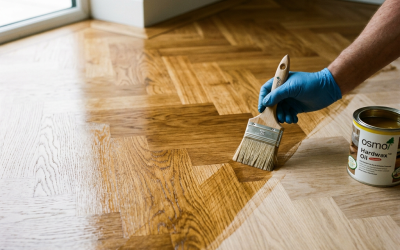
Oils, lacquers and hybrids behave differently. Always check the product’s maintenance sheet. If in doubt, ask your supplier for a brief site visit; a 20-minute professional look saves costly guessing. - Ventilation & Noise:
Modern machines are remarkably quiet, but corridors can amplify sound. Schedule after clubs end and open internal doors to diffuse noise.
The key is consistency. A small, predictable routine beats sporadic “heroic” deep cleans every time.
Case Study: From Dull to Delightful Over One Half-Term
Consider a mid-sized primary with two halls, a long spine corridor and classrooms that open directly onto it. Footfall is heavy, with meal trolleys and library crates adding extra wear. The premises team opted for a simple, budget-friendly regime:
- Week 1: Entrances and main corridor: dry mopping twice daily; machine pass on Friday evening.
- Week 2: Dining hall and its spur corridors: same routine.
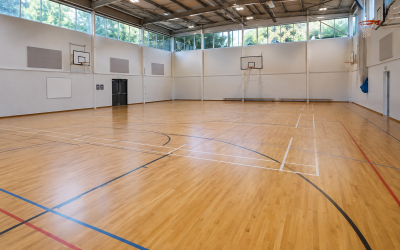
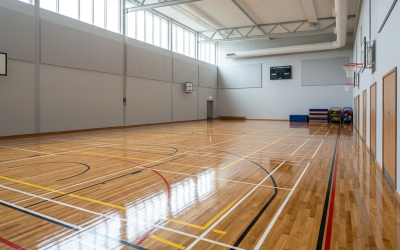
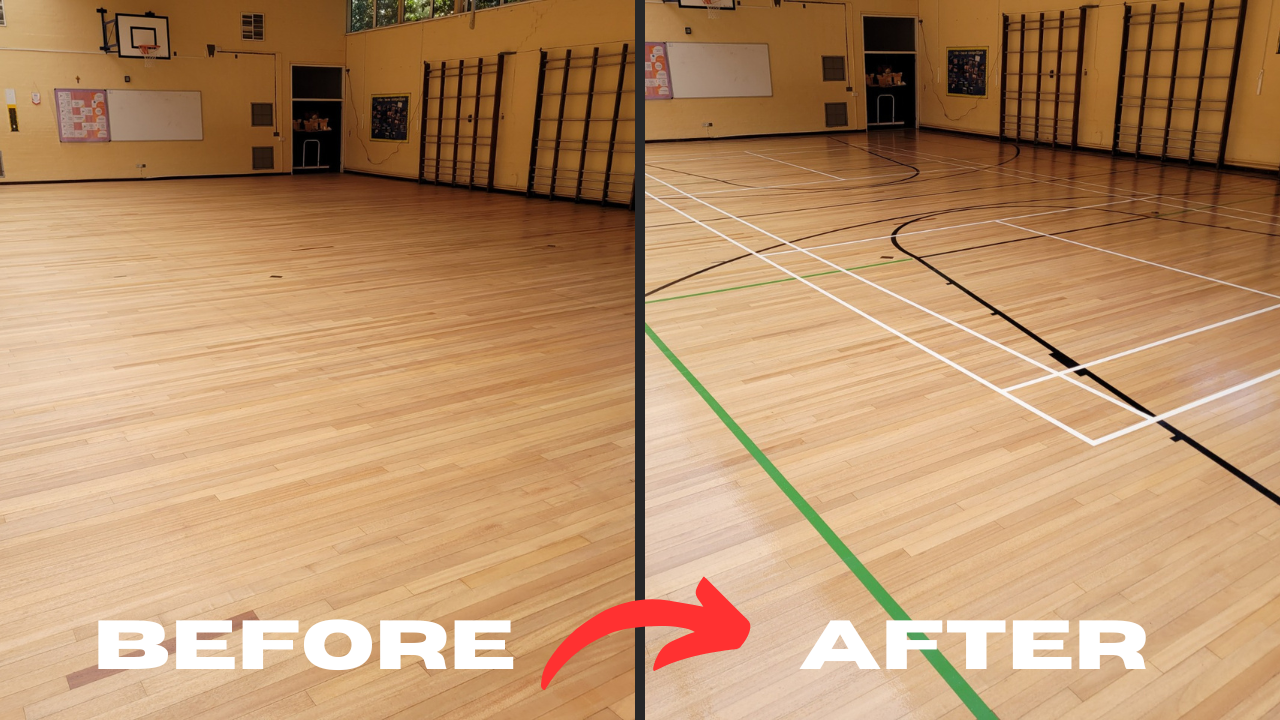
- Week 3: Sports hall: scheduled pass after the last club finishes.
- Week 4–6: Classrooms in clusters, starting with the youngest year groups.
By the end of half-term, staff reported fewer slips, a noticeably calmer lunch transition, and a softer sound in assemblies. Children began to comment—unprompted—on how “bright” the corridor looked. The site team halved their time dealing with stubborn scuffs. The only change? A well-timed monthly cycle of School Floor Buffing layered onto their existing routine.
Inclusion and Accessibility: Floors that Welcome Everyone
A school’s duty of care extends to every pupil, parent and visitor—including those with reduced mobility, sensory sensitivity or visual impairment. Floor maintenance plays a quiet but decisive role here:
- Predictable Underfoot Feel:
Even, well-tended surfaces help pupils who rely on mobility aids or who are anxious about slips. - Clear Contrast:
A brighter base makes colour-contrasted thresholds, arrows and hazard strips more legible. - Lower Ambient Noise:
Smoother surfaces reduce scrape-noise, supporting pupils who find sudden sounds distressing.
These wins aren’t abstract. They are the practical, lived experience of inclusion—delivered through a maintenance routine that is already in your remit.
Sustainability: Make the Most of What You Already Have
Extending floor life is sustainable by design. You keep materials in use longer, reduce waste from early replacement, and minimise the carbon cost of manufacturing and transporting new products. You also use fewer aggressive chemicals over time because a smoother surface cleans more easily.
There’s a staff wellbeing angle too. Lighter, smarter routines reduce repetitive strain. Fewer desperate scrubbing sessions mean fewer sore shoulders and fewer evening call-outs. That’s sustainable in the human sense: happier premises teams, better retention, and a calmer site.
Frequently Asked Questions (From Heads, Bursars and Site Leads)
Will a brighter floor make it slippery?
Not when maintenance follows the finish manufacturer’s guidance. The goal is a gentle uplift in sheen, not a mirror gloss. Reputable pads and sensible machine settings preserve or improve grip.
We have mixed flooring—wood in halls, vinyl in corridors. Can we standardise maintenance?
Yes, through a zoning plan. Match pads and products to each surface, but keep the rhythm the same: daily dust control, weekly scrub for heavy routes, periodic polishing for the zones that benefit.
How do we avoid disrupting clubs and lettings?
Map the building’s “quiet windows.” Many schools find late Friday afternoons ideal; others prefer early mornings. With modern, low-noise machines, you can often work adjacent to a quiet room without issue.
Is this just a cosmetic exercise?
No. The outcomes—better grip, less noise, quicker cleaning, longer finish life—are operational and educational. The gloss is the bonus; the safety and calm are the value.
Training the Team: Small Habits, Big Results
Great outcomes come from shared habits. A one-page “floor care charter” keeps everyone aligned:
- Shoes and Mats: Remind pupils to wipe footwear; upgrade entrance mats before winter.
- Chair Feet: Fit low-noise, floor-friendly caps in the hall and ICT suite.
- Spill Alerts: Encourage staff to radio spills immediately; log the response time.
- Pad Log: Keep a simple record of pad type, speed and area covered—future you will thank you.
Even the best plan fails without feedback. Invite teachers to mention pinch-points (the corridor outside Year 2 after lunch; the corner by the water fountain). Use those notes to fine-tune the schedule.
The Joy Factor: Why a Gleaming Hall Feels Like a Fresh Start
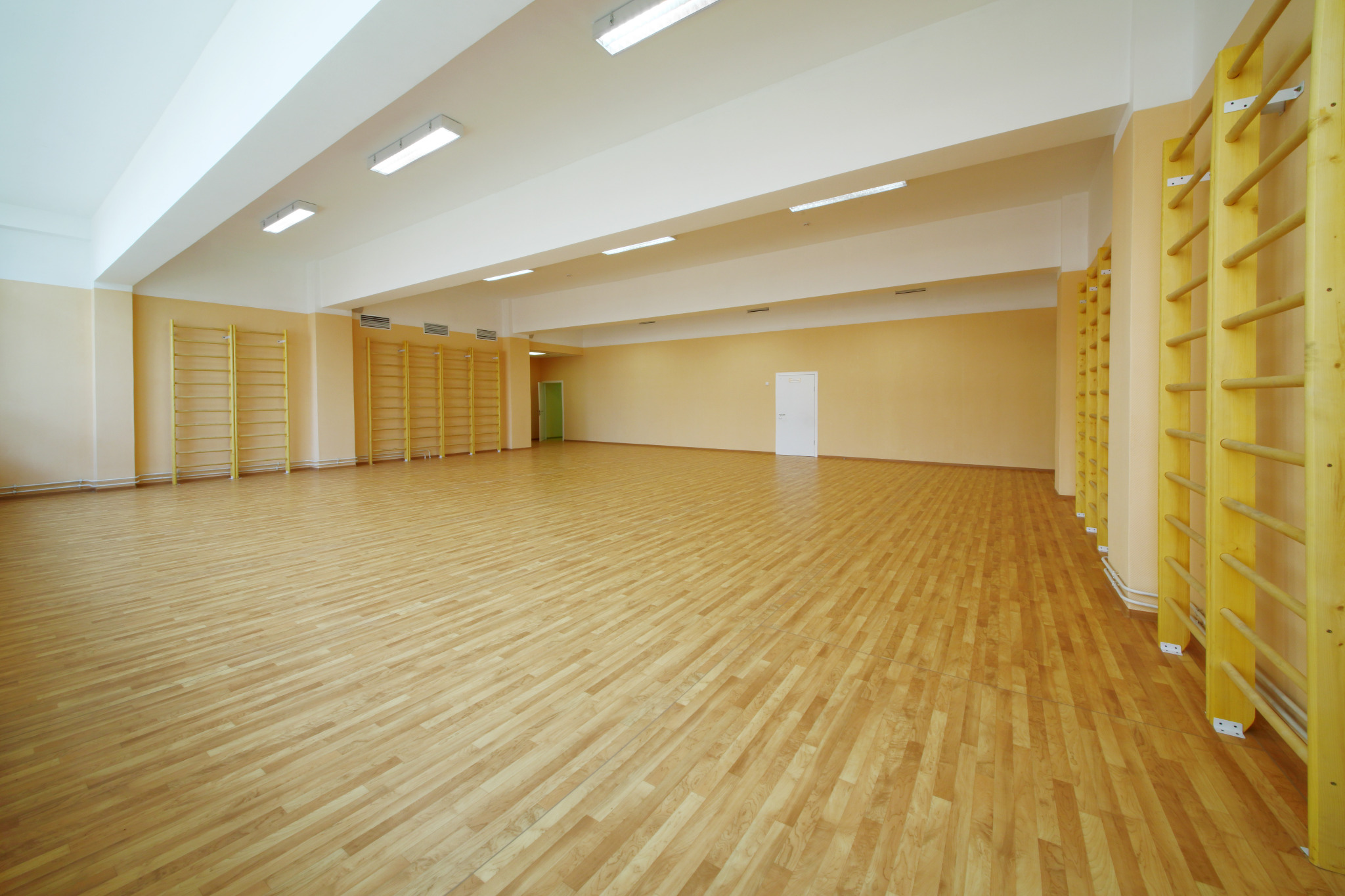
There’s something quietly inspiring about a hall that catches the morning light. It tells pupils that today matters—that assemblies are special, that PE deserves focus, that performances are to be cherished. When the space looks loved, pupils rise to it. Teachers feel it too: the room behaves better when the floor behaves beautifully.
That’s the heart of this conversation. You aren’t just polishing wood or renewing a coating. You’re curating an atmosphere that whispers “we care.” Over weeks and months, those whispers become a culture: tidy transitions, kinder movement, calmer rooms, brighter smiles. The floor does not teach, but it helps teaching land.
Putting It All Together: A Simple, High-Leverage Decision
If your site team is already stretched, don’t think of maintenance as “one more thing.” Think of it as the thing that makes five other things easier: cleaning, supervision, inclusion, safeguarding, and community pride. Begin with entrances and the main corridor. Choose a quiet window. Use the right pad. Keep a log. Watch the small wins compound.
Schools are busy, messy, human places. The goal is not showroom perfection; it’s dependable excellence. A calm, confident surface under foot contributes to that excellence more than most people realise.
For leadership teams, this is an easy recommendation to make—and an easy win to measure. Track slips and trips; time your cleaning passes; ask staff how lunchtime felt this week. You’ll find that a modest, regular routine of School Floor Buffing produces results you can see, hear and feel.
Ready for Joyful Echoes?
The pathways pupils take every day—into lessons, out to play, across the hall to receive a certificate—deserve to feel special. The floor is where that feeling begins. With a clear plan, the right equipment and a small commitment to consistency, your corridors and halls can glow with the kind of quiet confidence that lets learning leap.
If you’d like a practical, no-nonsense look at your site—where to start, what pads to use, and how to schedule around your clubs—reach out for an assessment. We’ll map a plan that suits your building and your budget, then show you how to maintain that joyful, bright finish term after term. It’s the simplest way to give every school day a little extra lift—and the quickest route to those ecstatic echoes you can’t help but smile at.
Because when the floor feels ready, everyone does. And with regular, well-timed School Floor Buffing in your toolkit, “ready” becomes the default mood of your school.