| Key Takeaways |
| • Avoid ‘tannin pull’ by using pH-neutral cleaners specifically designed for wood. • Maintain a stable indoor humidity (40-60%) to prevent timber movement. • Professional buffing every 2-3 years can extend the life of your floor indefinitely. |
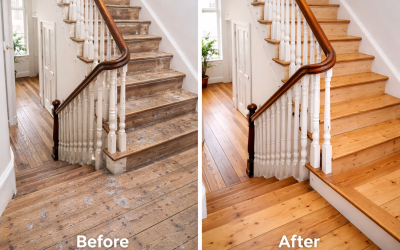
You’ve just invested in a professional wood floor restoration for your Clapham home. The grain is glowing, the finish is smooth, and the room feels revitalised. However, the hard work doesn’t end when our tradesmen leave. The biggest problem Clapham homeowners face is the rapid degradation of their floors due to incorrect cleaning methods. Using ‘off-the-shelf’ supermarket cleaners or excessive water can strip the oils and cloud the lacquer of even the most expensive timber floorboards. Within months, a beautiful floor can look dull, scratched, and aged beyond its years.
The Agitation of Improper Maintenance
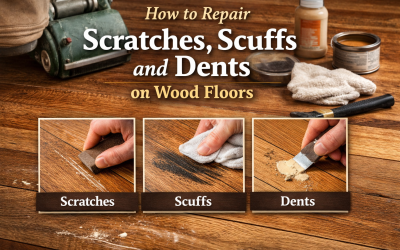
Most people don’t realise that wood is a living material that reacts to its environment. Using a soaking wet mop is the quickest way to ruin a floor; the water seeps into the joints, causing the wood to swell and the finish to peel—a process known as ‘cupping’. Furthermore, many common cleaners contain harsh chemicals that cause ‘tannin pull’ in oak floors, resulting in dark, unsightly blotches that can only be removed by deep sanding. This isn’t just a minor cosmetic issue; it represents a waste of your initial investment and can lead to permanent damage that even a specialist might struggle to fix.
The Professional Solution: Specialist Aftercare Regime
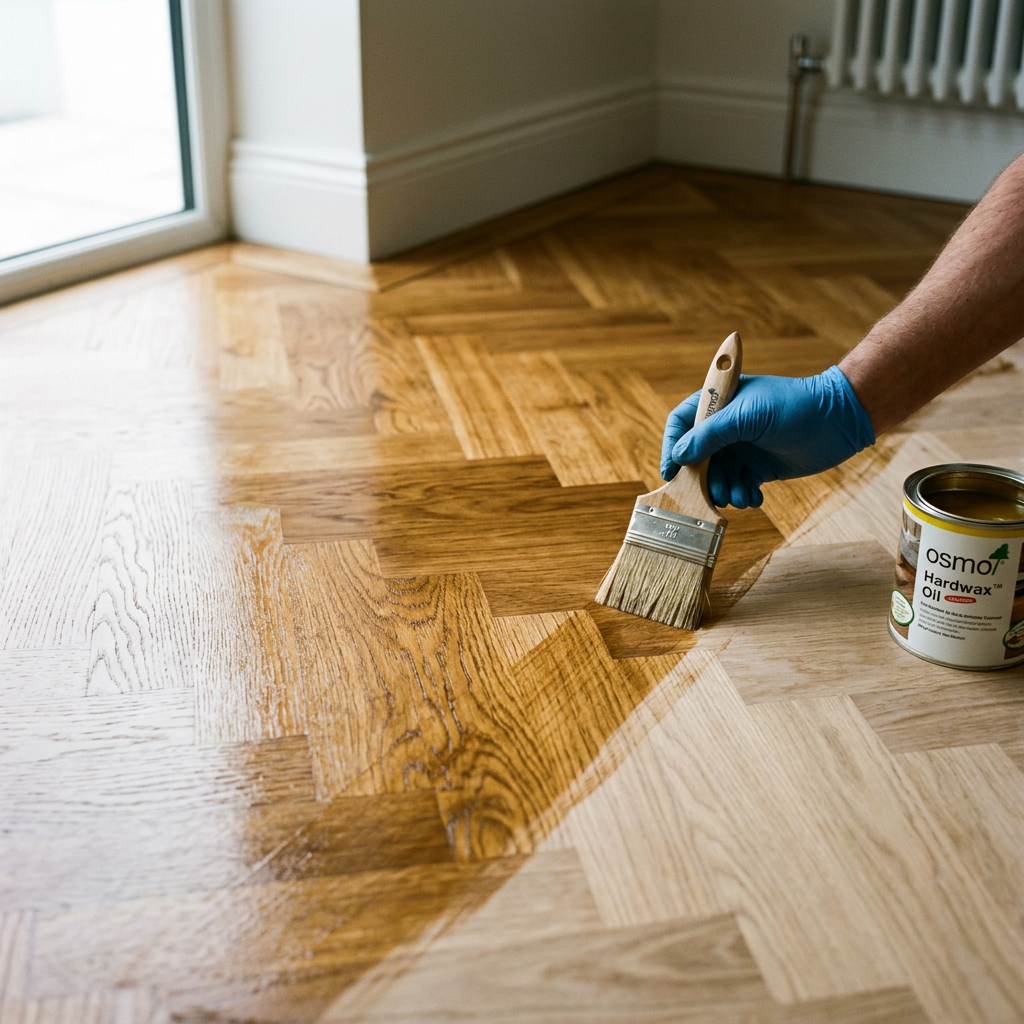
To keep your floors looking pristine, you must adopt a professional maintenance routine. This starts with understanding your finish. Whether you have water-based lacquer (like Bona Traffic) or Hardwax Oil (like Osmo), your cleaning products must be compatible.
Pro-Tip: Use a ‘mist’ spray mop rather than a bucket. This ensures that only a tiny amount of moisture touches the timber, which evaporates almost instantly. Always use a pH-neutral cleaner specifically formulated for timber.
The Importance of Humidity and ‘Water Popping’ Awareness
In Clapham, our homes experience significant shifts in humidity between the damp winters and dry summers. We recommend keeping your indoor relative humidity between 40% and 60%. Using a simple hygrometer can help you monitor this. If you are planning a DIY touch-up, be aware of ‘water popping’—a technique where the grain is raised with a fine mist of water to allow stains to penetrate deeper. If done incorrectly without professional knowledge, it can lead to an uneven, blotchy finish.
Professional Buffing and Recoating
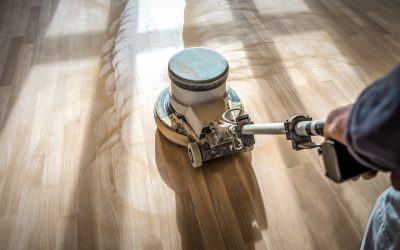
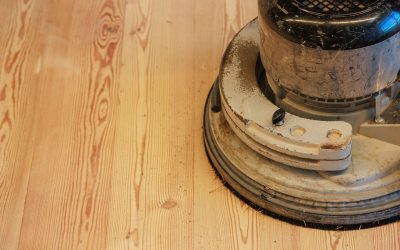
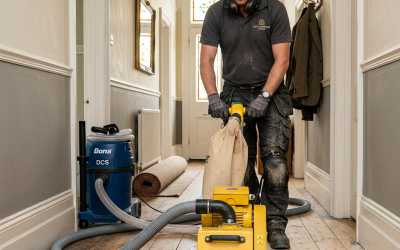
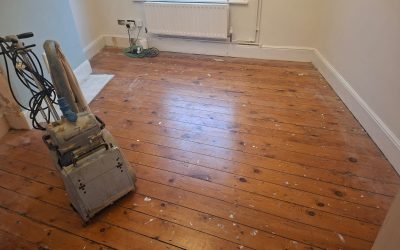
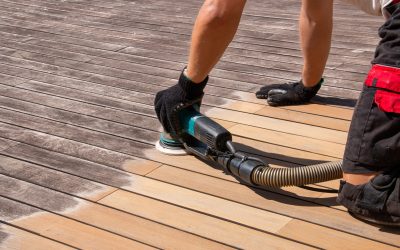
Every 2-3 years, we recommend a ‘Screen and Recoat’. This involves a light buffing of the top surface using a Bona Flexisand with a fine mesh screen, followed by a single fresh coat of lacquer or oil. This replenishes the wear layer without the need for a full, aggressive sanding back to bare wood. It is a cost-effective way to ensure your Wood Floor Restoration Clapham investment lasts a lifetime.
For those looking for the best in wood flooring advice, remember that prevention is better than cure. Invest in high-quality felt pads for furniture and avoid walking on the floor with outdoor shoes. For a professional deep clean or recoat, contact our Clapham team today.