| Key Takeaways |
| • Restoration of Victorian pine requires specific grit sequences starting with 40-grit Zirconia. • Gap filling with a mix of pine dust and resin is essential for draught-proofing. • Osmo Polyx-Oil is the preferred finish for heritage properties in UK humidity. |
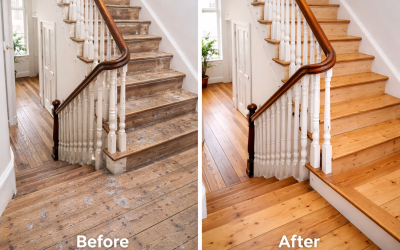
Stepping into a Victorian property in Clapham, one is immediately struck by the historical charm of original timber features. However, beneath the carpets and layers of decades-old paint, many homeowners find Victorian pine floorboards that are splintered, uneven, and draughty. These floors represent a significant part of the UK’s architectural heritage, yet they are often the most neglected. Neglecting these floorboards doesn’t just impact the aesthetics of your home; it leads to significant heat loss and a decrease in property value.
The Agitation of Aging Timber: Why DIY Often Fails
Homeowners often attempt to tackle these heritage floors themselves with hired equipment. Unfortunately, Victorian pine is notoriously soft and prone to deep gouging if handled incorrectly. Using a low-quality sander without proper dust extraction leads to a fine layer of silica and wood dust coating every surface of your Clapham home—a nightmare to clean and a hazard to breathe. Furthermore, without understanding the moisture content of the timber, applying a finish can lead to a disastrous ‘tannin pull’ or a finish that simply fails to cure in our temperamental British climate.
The Professional Solution: Specialist Heritage Restoration
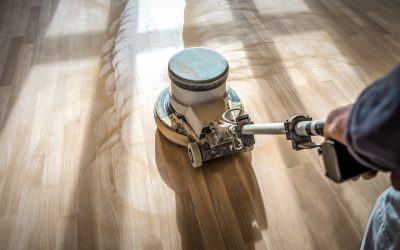
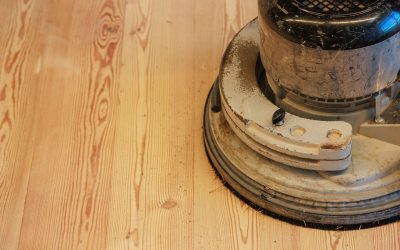
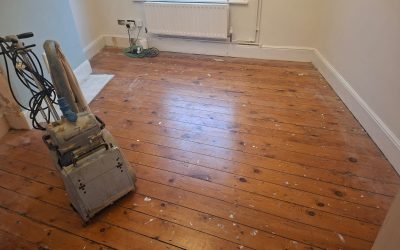
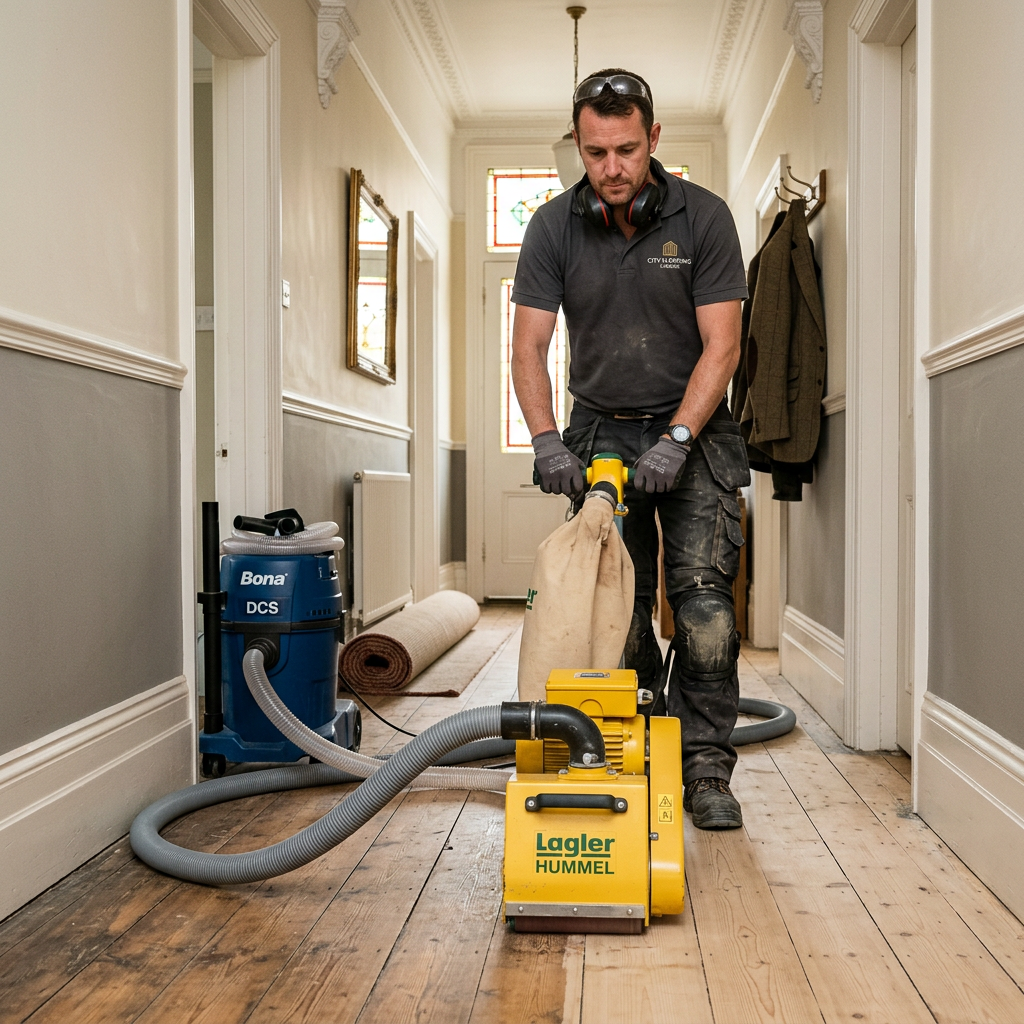
The secret to a successful restoration lies in the equipment and the technique. Our tradesmen utilise the Lagler Hummel belt sander, often referred to as the ‘gold standard’ in the industry. For uneven Victorian pine, we typically begin with a 40-grit Zirconia abrasive. This grit is aggressive enough to level the floorboards without causing the splintering common with ceramic belts.
Pro-Tip: Always sand at a 7-degree angle to the grain for the initial pass on uneven Victorian boards. This levels the ‘cupping’ that occurs over a century of seasonal movement.
Dust-Free Precision with Bona and Festool
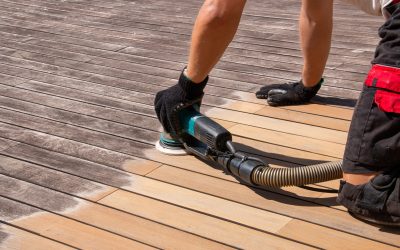
To ensure a clean environment, we pair our sanders with Bona Dust Care Systems. This high-performance vacuum extraction ensures that 99.9% of the dust is captured before it even leaves the sander. For the edges and hard-to-reach corners under Victorian radiators, we employ the Festool Rotex, which provides a seamless transition between the main floor area and the skirting boards.
Gap Filling and Finishing: The Osmo Difference
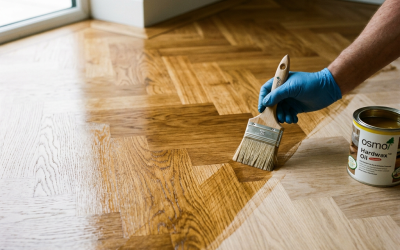
Once the timber is smooth, we address the common issue of gaps. We use a high-quality resin mixed with the fine ‘flour’ from the final 100-grit sanding pass to create a matching paste. This ensures the gaps are filled with the same timber species, providing a cohesive look. For the finish, we highly recommend Osmo Hardwax Oil. In the humid Clapham climate, hardwax oil allows the timber to breathe, preventing the boards from cracking. Typically, we apply two coats of Osmo Polyx-Oil, allowing 8-12 hours of curing time between coats, ensuring the room is well-ventilated to handle the UK’s ambient moisture levels.
Choosing professional floor sanding services ensures that your heritage floor is preserved for another generation. Don’t risk your Victorian investment with sub-par tools; contact us for a specialist restoration today.